Video Sources 5043 Views Report Error
Synopsis
B Mesle Baaz Review – An Emotional and Beautiful Story of Grief, Nature, and Healing
Film B Mesle Baaz – Doble Farsi فیلم ب مثل باز دوبله فارسی – FarsiNama
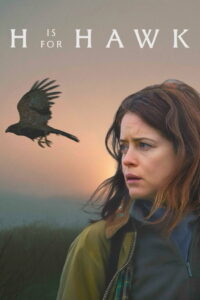
with a stubborn hawk named Mabel. Through the bond, Helen rediscovers the beauty of being alive.
B Mesle Baaz Review: A Moving Biographical Drama About Love, Loss, and the Healing Power of Nature
Some films entertain audiences through spectacular action and unexpected twists, while others leave a lasting impression through deeply personal stories and emotional performances. B Mesle Baaz (2025) belongs to the second category. This moving biographical drama explores grief, loneliness, family relationships, and the complicated journey toward emotional healing.
Directed by Philippa Lowthorpe, the film stars Claire Foy, Brendan Gleeson, Denise Gough, Sam Spruell, and Lindsay Duncan. Based on the acclaimed memoir H Is for Hawk by Helen Macdonald, the movie transforms a deeply personal experience into a visually compelling and emotionally powerful cinematic journey.
With its beautiful natural landscapes, thoughtful storytelling, and remarkable central performance, B Mesle Baaz offers a different kind of cinematic experience for viewers who appreciate meaningful drama and character-driven films.
B Mesle Baaz (2025): Movie Overview
B Mesle Baaz is a 2025 biographical drama produced through a collaboration between the United Kingdom, the United States, and Singapore.
The film is directed by Philippa Lowthorpe, with a screenplay written by Emma Donoghue and Philippa Lowthorpe, based on Helen Macdonald’s bestselling memoir.
Movie Details:
- Title: B Mesle Baaz
- Original Title: H Is for Hawk
- Release Year: 2025
- Director: Philippa Lowthorpe
- Screenplay: Emma Donoghue and Philippa Lowthorpe
- Based On: H Is for Hawk by Helen Macdonald
- Genre: Drama, Biography
- Countries: United Kingdom, United States, Singapore
- Main Cast: Claire Foy, Brendan Gleeson, Denise Gough, Sam Spruell, Lindsay Duncan
- Cinematography: Charlotte Bruus Christensen
- Music: Emilie Levienaise-Farrouch
Plot Summary: A Journey Through Grief and Discovery
The story follows Helen, a university academic whose life changes dramatically after the sudden death of her beloved father.
Unable to process the overwhelming pain of losing someone so important, Helen becomes emotionally isolated. Her memories of her father, particularly their shared passion for birds and the natural world, become increasingly significant as she struggles to understand how to move forward.
Searching for a way to cope with her grief, Helen makes an unusual decision: she adopts a wild goshawk named Mabel and begins the challenging process of training the bird.
What initially appears to be an attempt to escape emotional suffering gradually develops into something much more meaningful.
Training a goshawk requires patience, discipline, observation, and trust. Helen discovers that building a relationship with a wild animal is not simply about control. It requires understanding another living creature and respecting its natural instincts.
As her connection with Mabel develops, Helen begins confronting emotions that she has spent considerable time avoiding.
The relationship between the woman and the bird becomes the emotional foundation of the film, creating a powerful parallel between the process of training a wild animal and the difficult experience of rebuilding one’s own life.
Without relying on unnecessary melodrama, the story explores how people respond to loss and how unexpected experiences can help them rediscover their connection with the world.
Direction and Storytelling: Philippa Lowthorpe’s Sensitive Approach
Philippa Lowthorpe demonstrates a thoughtful understanding of the emotional material.
Rather than presenting grief through exaggerated dramatic scenes, she allows the story to develop naturally. The direction focuses on small moments, personal memories, and the changing relationship between Helen and Mabel.
This restrained approach gives the film an intimate atmosphere.
One of the strongest aspects of the storytelling is the way it connects the natural world with human emotions. The hawk is not simply an interesting element added to make the story visually attractive. Mabel represents independence, unpredictability, patience, and the difficulty of forming a meaningful connection with something that cannot be controlled.
The screenplay also avoids turning the film into a conventional inspirational story. Helen’s emotional recovery is complicated, and the film recognizes that grief does not disappear simply because someone discovers a new interest.
This realistic treatment makes the narrative more believable and emotionally engaging.
Claire Foy’s Outstanding Performance
Claire Foy delivers the central performance of B Mesle Baaz, portraying Helen with considerable emotional depth.
Her character experiences several complicated emotional states, including sadness, frustration, loneliness, and moments of unexpected happiness.
Foy communicates much of this through subtle expressions and physical performance rather than relying entirely on dialogue.
Her portrayal is particularly effective because Helen is not presented as a perfect or consistently sympathetic character. She makes difficult decisions, struggles with her responsibilities, and sometimes becomes so absorbed in her relationship with Mabel that she neglects other aspects of her life.
These imperfections make the character feel human.
Brendan Gleeson also brings considerable emotional warmth to the film as Helen’s father. His presence in the story helps establish the importance of their relationship and explains why his absence has such a profound impact on her life.
Denise Gough, Sam Spruell, and Lindsay Duncan provide additional performances that help develop the film’s emotional and interpersonal dimensions.
Together, the cast creates a believable dramatic environment without distracting from the central relationship between Helen and the hawk.
Cinematography and Visual Presentation
The cinematography by Charlotte Bruus Christensen is one of the film’s most appealing elements.
Nature plays an important role in the visual identity of B Mesle Baaz. Open landscapes, changing weather, natural light, and the movement of the hawk help establish an atmosphere that feels both peaceful and emotionally complex.
The contrast between Helen’s internal struggles and the freedom of the natural world is particularly effective.
The camera often allows viewers to observe the environment rather than constantly focusing on dialogue or dramatic action. This gives the film room to breathe and creates a stronger connection between its visual storytelling and emotional themes.
The scenes involving Mabel are especially important. The bird’s unpredictable movements introduce a sense of realism and remind viewers that nature does not always follow human expectations.
The visual presentation supports the film’s central message: healing is not always a straightforward process, and sometimes understanding requires patience and acceptance.
Music and Sound Design
The musical score by Emilie Levienaise-Farrouch complements the film’s reflective atmosphere.
Instead of overwhelming emotional scenes with dramatic music, the soundtrack supports the storytelling through carefully controlled musical moments.
Silence and natural sounds also contribute significantly to the overall experience.
The sounds of birds, wind, and the surrounding environment help establish a connection between the audience and the natural world.
This approach allows important emotional moments to develop without unnecessary distractions.
Themes and Deeper Meaning: Grief, Nature, and Emotional Healing
At its heart, B Mesle Baaz is a film about the complicated relationship between love and loss.
One of its most important themes is the idea that grief cannot simply be avoided. People may attempt to escape painful memories through work, isolation, or new activities, but genuine emotional recovery requires confronting difficult feelings.
The relationship between Helen and Mabel illustrates this idea.
Training a goshawk requires commitment and patience. Helen must learn to understand the bird rather than simply expect it to behave according to her wishes.
In a broader sense, this relationship reflects the process of learning to live with uncertainty.
The film also explores the importance of family connections, personal identity, and the relationship between humans and nature.
Another particularly interesting theme is freedom. Mabel is a wild creature whose instincts cannot be completely controlled. Her presence encourages Helen to reconsider her own relationship with independence and emotional attachment.
These themes give the film a deeper meaning and make it more than a conventional biographical drama.
What Makes B Mesle Baaz Different From Other Drama Movies?
Many contemporary drama films focus on dramatic conflicts, complicated relationships, or unexpected plot developments.
B Mesle Baaz takes a quieter approach.
Its strength comes from its emotional honesty and its willingness to explore an experience that many viewers can understand: losing someone important and trying to discover a reason to move forward.
The film combines biographical storytelling, impressive cinematography, natural landscapes, and strong acting to create a distinctive viewing experience.
It may not appeal equally to audiences who prefer fast-paced action movies or traditional thrillers. However, viewers who appreciate emotional storytelling, psychological depth, and films inspired by real experiences will find plenty to appreciate.
For more emotional and character-driven productions, explore our Drama Movies and Series Collection.
Is B Mesle Baaz Worth Watching?
Yes, particularly if you enjoy thoughtful biographical dramas with strong performances and meaningful themes.
The film offers a compelling portrayal of grief and emotional recovery without pretending that difficult experiences can be resolved overnight.
Claire Foy’s performance provides the emotional center, while Brendan Gleeson’s presence adds warmth and depth to the memories that shape Helen’s journey.
The cinematography and musical score further strengthen the film’s atmosphere, making it an engaging choice for viewers who appreciate visually beautiful and emotionally rich cinema.
However, its relatively slow pace may not suit everyone. Those expecting a conventional adventure movie about falconry may also find that the emotional journey receives considerably more attention than the practical details of training a bird.
Nevertheless, this deliberate storytelling approach is an important part of the film’s identity.
Final Verdict: A Beautiful Film About Finding Life After Loss
B Mesle Baaz (2025) is a thoughtful and emotionally engaging biographical drama that explores the complicated process of accepting loss and rediscovering meaning in everyday life.
Philippa Lowthorpe’s direction, Claire Foy’s compelling performance, Brendan Gleeson’s emotional contribution, and Charlotte Bruus Christensen’s beautiful cinematography combine to create a memorable cinematic experience.
The film’s greatest achievement is its ability to use the relationship between a woman and a wild hawk to explore universal human experiences.
It reminds audiences that healing does not mean forgetting someone we have lost. Sometimes, it means learning how to carry those memories while finding new reasons to embrace life.
Final Rating: 8.0/10
Recommended for: Fans of biographical dramas, emotional movies, real-life stories, psychological drama, nature-themed films, and character-driven cinema.
If you enjoyed this review, visit FarsiNama to discover more memorable movies and television productions. Explore our Drama Collection and find your next great movie to watch.
For verified movie information, cast details, audience ratings, and additional reviews, visit the film’s official listing on IMDb – H Is for Hawk (2025).
Director

Cast