Video Sources 9618 Views Report Error
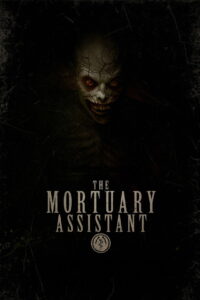
Synopsis
Dastyar Mordeshor Khaneh (2025) – A Chilling Blend of Psychological Horror and Mystery
Film Tarsnak Dastyar Mordeshor Khaneh – Doble Farsi فیلم ترسناک دستیار مرده شور خانه دوبله فارسی – FarsiNama
the job seems straightforward — embalming bodies, completing paperwork, and keeping things tidy. But once Rebecca starts working the night shift, things take a dark turn.
In recent years, Persian-language horror productions have started gaining wider international attention, and Dastyar Mordeshor Khaneh stands out as one of the most intriguing additions to the genre. Directed by acclaimed filmmaker Kian Darvishi and released in 2025, the series combines psychological terror, slow-burning suspense, and emotional storytelling in a way that feels both haunting and deeply human. Featuring standout performances from Arman Sadeghi, Leila Moini, and Shahab Rahimi, this dark mystery thriller manages to deliver an unsettling atmosphere without relying on cheap jump scares.
Fans of atmospheric horror dramas and layered mystery storytelling will find plenty to admire in Dastyar Mordeshor Khaneh. The series has already sparked conversations among viewers who appreciate intelligent horror narratives with symbolic depth and cinematic visuals.
For audiences interested in similar dark productions, the collection of horror series and films and mystery titles on Farsinama offers an excellent gateway into the evolving world of Persian suspense entertainment.
A Dark and Unpredictable Storyline
Dastyar Mordeshor Khaneh revolves around Reza Farhadi, a withdrawn forensic assistant who accepts a night-shift position at an old mortuary located on the outskirts of Tehran. What initially appears to be a routine job quickly transforms into a psychological nightmare when strange occurrences begin unfolding within the building. Bodies arrive with unexplained markings, security footage mysteriously disappears, and Reza starts hearing voices coming from empty preparation rooms.
The brilliance of the show lies in how it balances supernatural horror with psychological ambiguity. Viewers are constantly left questioning whether the terrifying events are truly paranormal or manifestations of Reza’s deteriorating mental state. This uncertainty creates a persistent sense of tension throughout the series.
Unlike conventional horror productions that prioritize shock value, Dastyar Mordeshor Khaneh builds fear gradually. The pacing is deliberate, allowing the atmosphere to become increasingly oppressive with every episode. The script carefully reveals clues while maintaining enough mystery to keep audiences emotionally invested.
Direction and Cinematic Style
Director Kian Darvishi demonstrates remarkable control over tone and visual storytelling. Every hallway, flickering light, and silent corridor inside the mortuary contributes to the show’s suffocating mood. The use of practical lighting and shadow-heavy cinematography gives the series a gritty realism that enhances its psychological impact.
One of the most impressive aspects of the production is its restraint. Instead of overwhelming viewers with graphic horror imagery, the director relies on silence, subtle camera movements, and carefully framed shots to generate suspense. This approach makes the terrifying moments feel earned rather than forced.
The cinematography by Navid Hosseini deserves particular praise. Long tracking shots through dimly lit rooms create a feeling of isolation that perfectly mirrors Reza’s mental unraveling. The cold color palette—dominated by gray, blue, and pale green tones—adds to the unsettling visual identity of the series.
The sound design is equally effective. Minimalistic background music combined with eerie ambient noises creates an immersive experience that lingers long after an episode ends. Small details, such as distant whispers or metallic echoes, contribute significantly to the overall tension.
Powerful Performances Elevate the Series
Arman Sadeghi delivers an exceptional performance as Reza Farhadi. His portrayal captures both vulnerability and paranoia, making the character believable even during the series’ most surreal moments. Sadeghi avoids exaggerated horror acting and instead gives a grounded, emotionally layered performance that anchors the story.
Leila Moini shines as Dr. Sara Khosravi, a psychologist investigating the strange incidents connected to the mortuary. Her calm yet emotionally conflicted performance provides an effective counterbalance to Reza’s instability. The chemistry between the two leads adds emotional complexity to the narrative.
Meanwhile, Shahab Rahimi offers one of the series’ most memorable performances as the mysterious mortuary supervisor Hamid Vaziri. Rahimi’s subtle expressions and cryptic dialogue make the character deeply unsettling without ever becoming cartoonishly sinister.
The supporting cast also deserves recognition for contributing to the realism of the story. Even minor characters feel authentic and purposeful, which strengthens the emotional immersion of the series.
Themes Beneath the Horror
At its core, Dastyar Mordeshor Khaneh is not merely a horror series—it is an exploration of guilt, grief, and unresolved trauma. The narrative uses supernatural elements as metaphors for emotional repression and psychological decay.
The mortuary itself becomes symbolic of buried memories and emotional wounds. Reza’s encounters with death gradually force him to confront painful truths about his past, giving the series surprising emotional depth beneath its terrifying surface.
Another compelling theme is isolation. Nearly every character in the series struggles with loneliness, emotional detachment, or moral ambiguity. This human vulnerability makes the horror feel more personal and relatable.
The show also subtly critiques institutional secrecy and societal silence around mental health. Rather than presenting fear as something external and easily defeated, Dastyar Mordeshor Khaneh suggests that the most terrifying experiences often emerge from within.
Why the Series Stands Out in Modern Horror
Modern horror audiences increasingly seek intelligent storytelling rather than formulaic scares, and this is where Dastyar Mordeshor Khaneh truly excels. The series respects its viewers by allowing them to interpret events rather than overexplaining every mystery.
Its combination of psychological horror, noir-inspired visuals, and emotionally driven storytelling places it alongside internationally recognized suspense productions. Fans of slow-burn horror series such as The Haunting of Hill House or Dark may find familiar qualities here, though the series maintains a distinctly Persian identity in its atmosphere and cultural themes.
The production quality is also remarkably high for a regional horror release. From set design to editing, every technical element feels polished and cinematic. This level of craftsmanship demonstrates the growing ambition of Persian-language streaming productions.
For more information about the series and audience ratings, viewers can also explore its page on <a href=”https://www.imdb.com/”>IMDb</a>, one of the most trusted entertainment databases online.
Final Verdict
Dastyar Mordeshor Khaneh is a gripping and emotionally intelligent horror mystery that succeeds through atmosphere, character depth, and psychological complexity. Rather than relying on predictable horror clichés, the series crafts a deeply immersive experience that stays with viewers long after the final episode.
With outstanding performances, haunting cinematography, and a carefully layered narrative, the series represents one of the strongest Persian horror productions in recent memory. It is a must-watch for fans of psychological thrillers, supernatural mysteries, and sophisticated horror storytelling.
Rating: 9/10
If you enjoy dark suspense stories with emotional depth and cinematic tension, be sure to explore more titles in the horror collection and discover additional mind-bending stories in the mystery archive on Farsinama.
Director

Cast