Video Sources 5649 Views Report Error
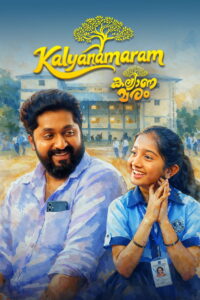
Synopsis
Derakht Arosi (2024) Movie Review – A Powerful Drama of Love, Tradition, and Human Resilience
Film Hendi Derakht Arosi – Doble Farsi فیلم هندی درخت عروسی دوبله فارسی – FarsiNama
When her family plans to cut it down for her sisters wedding, she fights tirelessly to save it ultimately inspiring change and being honoured for her courage.
Introduction
In an era where many films rely heavily on spectacle and visual effects, Derakht Arosi (2024) stands out as a deeply emotional and character-driven drama that captures the complexities of family, tradition, and personal sacrifice. Directed by Amir Rahmani and featuring standout performances from Navid Farhadi, Sara Kamali, and Reza Motamedi, the film delivers a compelling narrative that resonates long after the credits roll.
As one of the most talked-about drama films of the year, Derakht Arosi has attracted attention from both critics and audiences for its authentic storytelling, stunning cinematography, and emotionally rich performances. Fans of meaningful cinema and contemporary drama movies will find plenty to admire in this beautifully crafted production.
For viewers who enjoy exploring quality dramatic stories, the collection of drama titles available at https://farsinama.com/genre/drama/ offers a great selection of similar content worth discovering.
Plot Summary
Derakht Arosi tells the story of Arman, a young man who returns to his hometown after years of living abroad. Hoping to reconnect with his roots and rebuild relationships that were left behind, he quickly discovers that time has changed both the people he loves and the traditions that once shaped his identity.
At the center of the story is an ancient ceremonial tree known locally as the “Wedding Tree”—a symbol deeply connected to the village’s history and cultural heritage. As economic pressures threaten the future of the community, Arman finds himself caught between modernization and preserving the traditions that define his family’s legacy.
The narrative unfolds through a series of emotional encounters, family conflicts, and personal revelations. Rather than relying on dramatic twists, the film builds its emotional impact through realistic situations and carefully developed characters. This approach allows viewers to become genuinely invested in the journey of each individual.
Direction and Storytelling
Director Amir Rahmani demonstrates remarkable confidence in his storytelling. One of the film’s greatest strengths is its patience. Instead of rushing through key moments, the narrative gives audiences time to absorb emotions, understand motivations, and appreciate the subtle details woven into the story.
Rahmani’s direction emphasizes authenticity. Every scene feels purposeful, whether it involves a quiet family conversation or a larger community gathering. The pacing may feel deliberate for viewers accustomed to fast-moving blockbusters, but it ultimately serves the film’s emotional depth.
The screenplay successfully balances personal drama with broader social themes. Questions about cultural identity, generational change, and the value of tradition are explored thoughtfully without becoming overly political or preachy. This balance makes Derakht Arosi accessible to a wide audience while still offering meaningful commentary.
Cast Performances
The performances are undoubtedly among the film’s strongest elements.
Navid Farhadi as Arman
Navid Farhadi delivers a nuanced and emotionally layered performance as the protagonist. His portrayal captures the internal struggle of a man torn between two worlds—his modern aspirations and his cultural heritage. Farhadi’s subtle facial expressions and restrained emotional delivery make Arman’s journey feel authentic and relatable.
Sara Kamali as Leila
Sara Kamali shines as Leila, a childhood friend whose life has taken a very different path. Kamali brings warmth, intelligence, and emotional complexity to the role. Her chemistry with Farhadi provides some of the film’s most memorable moments.
Reza Motamedi as Hamed
Reza Motamedi delivers a powerful supporting performance as Arman’s father. Through his portrayal, the film explores themes of generational conflict and parental expectations with remarkable sensitivity.
Together, the cast creates a believable emotional ecosystem that enhances the realism of the story.
Cinematography and Visual Style
Visually, Derakht Arosi is stunning.
Cinematographer Mehrdad Nouri captures the natural beauty of the rural landscape with remarkable precision. Wide shots of mountains, forests, and village life provide a strong sense of place, while intimate close-ups emphasize the emotional states of the characters.
The symbolic use of the Wedding Tree throughout the film is particularly effective. It serves not only as a visual centerpiece but also as a metaphor for continuity, growth, and resilience. The changing seasons depicted throughout the story mirror the emotional transformations experienced by the characters.
The film’s color palette leans toward earthy and natural tones, reinforcing its themes of heritage and connection to the land. Every frame feels carefully composed, contributing to an immersive viewing experience.
Themes and Emotional Impact
One of the reasons Derakht Arosi stands out among contemporary drama films is its thematic richness.
Tradition vs. Modernity
The central conflict revolves around the tension between preserving cultural traditions and embracing modern change. Rather than presenting a simple answer, the film encourages viewers to reflect on how societies evolve while maintaining their identity.
Family Relationships
Family dynamics play a crucial role throughout the story. The film explores misunderstandings, expectations, forgiveness, and unconditional love with remarkable emotional honesty.
Belonging and Identity
Arman’s journey is ultimately about finding where he belongs. His experiences reflect a universal human desire for connection, making the film relatable across cultural boundaries.
Community and Legacy
The story highlights the importance of shared history and collective responsibility. Through its depiction of village life, Derakht Arosi celebrates the bonds that unite communities during times of change.
Technical Aspects
The film’s soundtrack deserves special recognition. Composer Kaveh Moradi creates a musical score that complements the narrative beautifully without overwhelming it. Traditional instrumental elements blend seamlessly with modern orchestration, reinforcing the film’s thematic focus on bridging past and present.
Sound design is equally impressive, using ambient environmental sounds to enhance realism. The editing remains unobtrusive, allowing emotional moments to unfold naturally.
These technical elements work together to create a polished cinematic experience that feels both intimate and expansive.
Critical Reception and Audience Appeal
Since its release, Derakht Arosi has generated positive discussions among film enthusiasts who appreciate thoughtful storytelling and character-driven narratives. Its combination of emotional depth, strong performances, and visual elegance positions it as one of the year’s most noteworthy drama releases.
Viewers interested in award-worthy performances, meaningful themes, and authentic human stories are likely to find the film especially rewarding. Those seeking action-heavy entertainment may find the pacing slower, but audiences willing to engage with its emotional core will be richly rewarded.
For additional information, ratings, and industry details about the film and similar productions, readers can explore IMDb at https://www.imdb.com/, one of the most trusted resources for movie enthusiasts worldwide.
Final Verdict
Derakht Arosi is a beautifully crafted drama that succeeds through emotional authenticity, thoughtful storytelling, and exceptional performances. Director Amir Rahmani creates a cinematic experience that feels both deeply personal and universally relevant.
With its compelling narrative, striking cinematography, and exploration of timeless themes such as family, identity, and cultural heritage, the film stands as a memorable addition to modern dramatic cinema.
Rating: 9.5/10
Whether you are a longtime fan of dramatic storytelling or simply looking for a meaningful film experience, Derakht Arosi deserves a place on your watchlist. If you enjoy emotionally rich dramas, be sure to explore more outstanding titles in the drama collection at https://farsinama.com/genre/drama/ and discover other unforgettable cinematic stories.
Director

Cast