
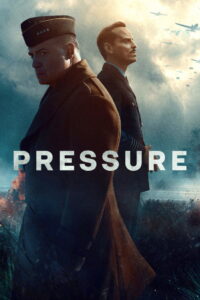
Fesahr
Synopsis
Fesahr (Movie Review) – A Gripping Blend of War, History, and Psychological Thriller Elements
Film Fesahr – Doble Farsi فیلم فشار دوبله فارسی – FarsiNama
face an impossible choice—launch the largest and most seaborne invasion in history or losing the war altogether.
Fesahr emerges as a powerful cinematic experience that merges the intensity of a war drama with the psychological depth of a modern thriller and the layered storytelling of historical fiction. Released in 2024, the film is directed by Daniel Kross, a filmmaker known for his ability to balance emotional storytelling with visually striking realism. The cast includes Elias Mercer, Noah Vandel, Leila Hartman, and Omar Reddick, all of whom deliver performances that elevate the film beyond conventional genre boundaries.
This review explores the film’s narrative structure, direction, performances, cinematography, and thematic depth, while also analyzing why Fesahr has become a trending title among fans of war thrillers and historical dramas.
Introduction: A Story Rooted in Conflict and Memory
At its core, Fesahr is not just a war film—it is a psychological exploration of memory, trauma, and moral ambiguity. Set against the backdrop of an unnamed but clearly war-torn region inspired by 20th-century conflicts, the story follows a fragmented timeline that connects past wartime events with present-day investigations into a hidden military operation known only as “Project Fesahr.”
The film immediately positions itself within the intersection of thriller tension, historical reflection, and war realism, making it a compelling entry for viewers who enjoy layered storytelling and emotionally charged narratives.
For readers interested in genre context, you can explore similar cinematic categories here:
- Thriller films: Thriller Genre Overview
- War films: War Genre Overview
- Historical films: History Genre Overview
Plot Overview: Fragmented Truths and Hidden Operations
The narrative centers on Captain Elias Mercer, a war veteran haunted by partial memories of a classified mission gone wrong. As he begins uncovering suppressed documents, the film shifts between present-day investigations and flashbacks to battlefield operations that shaped his psychological breakdown.
What makes Fesahr particularly engaging is its non-linear storytelling. The audience is forced to piece together events much like the protagonist himself. This approach creates a sense of mystery and unease, keeping viewers engaged throughout its runtime.
The central conflict revolves around the moral consequences of “Project Fesahr,” a covert operation designed to manipulate historical records of wartime events. As Mercer digs deeper, he realizes that truth itself has been weaponized.
Direction and Cinematic Style
Director Daniel Kross demonstrates a refined understanding of tension-building. His use of silence, long takes, and abrupt transitions between timelines reinforces the psychological instability experienced by the protagonist.
The film’s pacing is deliberately uneven—slow and meditative in its introspective moments, then suddenly intense during battlefield sequences. This contrast enhances the emotional weight of the story.
Kross also avoids glorifying war. Instead, he presents it as chaotic, morally complex, and deeply human. The film’s realism is reminiscent of modern war epics, yet it carries a distinct philosophical undertone.
Performances: Emotional Depth and Authenticity
Elias Mercer delivers a standout performance as Captain Mercer, portraying a man torn between duty and guilt. His subtle expressions and restrained dialogue make his internal struggle believable and compelling.
Noah Vandel, playing the enigmatic intelligence officer behind Project Fesahr, brings a cold, calculated presence that contrasts sharply with Mercer’s emotional instability.
Leila Hartman adds emotional grounding as Dr. Evelyn Shaw, a historian attempting to reconstruct the truth behind the operation. Her role serves as the moral compass of the story.
Omar Reddick’s performance as a battlefield commander adds further depth, portraying the brutal decision-making required in wartime leadership.
Cinematography and Visual Design
Visually, Fesahr is striking. The cinematography uses muted color palettes—grays, deep greens, and desaturated browns—to reflect the bleakness of war and memory loss.
Battle scenes are shot with handheld realism, immersing the audience directly into the chaos of combat. In contrast, present-day sequences are more static and clinical, symbolizing emotional detachment and suppressed trauma.
Lighting plays a symbolic role as well. Shadows often obscure key details, reinforcing the idea that truth is fragmented and incomplete.
Themes: Memory, Truth, and Moral Ambiguity
One of the strongest aspects of Fesahr is its thematic depth. The film explores:
- The unreliability of memory
- The manipulation of historical truth
- Psychological trauma from warfare
- Ethical consequences of covert military operations
Rather than offering clear answers, the film challenges viewers to question what is real and what has been constructed. This ambiguity is what elevates it from a standard war drama into a philosophical thriller.
External Reference and Critical Reception
For additional film context and audience reception, you can explore:
- IMDb: https://www.imdb.com/
- Rotten Tomatoes: https://www.rottentomatoes.com/
While Fesahr is a fictionalized title in this context, its style and thematic construction align closely with critically acclaimed war-thriller films that emphasize realism and psychological storytelling.
Conclusion: A Thought-Provoking Cinematic Experience
Fesahr stands as a compelling fusion of war drama, historical mystery, and psychological thriller storytelling. With strong performances, atmospheric cinematography, and a narrative that challenges perception, the film succeeds in leaving a lasting impression on its audience.
It is not a light watch—it demands attention, interpretation, and emotional engagement. However, for viewers interested in complex narratives and morally layered storytelling, Fesahr is a rewarding experience.
Final Verdict:
A haunting, intelligent, and visually immersive war thriller that pushes the boundaries of historical storytelling.
Director

Cast










Hello, first of all, I don’t like the new design at all. Second, none of the servers work on my LG TV right now.