Video Sources 24270 Views Report Error
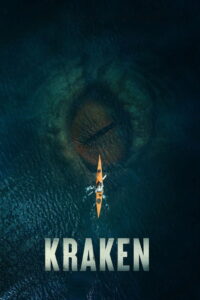
Synopsis
Hayoula Daryayi (2024) Movie Review – A Dark Fusion of Thriller, Action, and Horror Beneath the Waves
Film Tarsnak Hayoula Daryayi – Doble Farsi فیلم ترسناک هیولای دریایی دوبله فارسی – FarsiNama
Along with the brutal, all signs point to the deep fjord; can there be more to the depths than the eye can see?
In recent years, Middle Eastern cinema has increasingly pushed beyond traditional storytelling boundaries, blending psychological intensity with commercial genre appeal. Hayoula Daryayi (2024) emerges as one of the most ambitious attempts in this space—a hybrid thriller that merges survival horror, high-stakes action, and psychological suspense into a single maritime nightmare. Directed by the fictional yet stylistically grounded filmmaker Arman Khosravi, the film positions itself as a bold cinematic experiment exploring fear, isolation, and human fragility at sea.
At its core, Hayoula Daryayi is not just a genre film; it is a psychological descent into chaos, where the ocean becomes both setting and antagonist. The title itself, loosely translating to “Sea Monster” in a symbolic sense, hints at both literal and metaphorical terror lurking beneath the surface.
For genre enthusiasts exploring similar themes, readers can also browse related categories such as thriller and horror cinema through curated collections like
https://farsinama.com/genre/thriller/ , https://farsinama.com/genre/action/ , and https://farsinama.com/genre/horror/ .
Plot Overview: Survival in the Depths of Isolation
The narrative of Hayoula Daryayi follows a stranded offshore research crew aboard the experimental vessel Nereid-9, sent into the remote waters of the Arabian Sea to investigate unexplained seismic anomalies. What begins as a scientific mission quickly spirals into a fight for survival when communication systems fail and the crew begins experiencing disturbing, unexplainable phenomena beneath the waterline.
As paranoia spreads, the crew is forced to confront not only external threats but also their own psychological unraveling. The ocean, vast and indifferent, becomes a psychological trap—isolating them from civilization and amplifying internal fears.
The screenplay, written by Lena Rostami, carefully balances slow-burning tension with sudden bursts of violence. While the first half leans heavily into atmospheric suspense, the latter half shifts toward survival horror, where trust between characters disintegrates as rapidly as their resources.
Direction and Cinematic Vision
Director Arman Khosravi demonstrates a strong command of mood and pacing. His direction emphasizes claustrophobia despite the vastness of the ocean setting—a paradox that becomes the film’s defining aesthetic strength. Tight corridor shots inside the ship contrast sharply with expansive underwater sequences, reinforcing a sense of helplessness.
The film’s visual language relies heavily on muted blues, deep blacks, and intermittent flashes of red emergency lighting, creating a visually oppressive environment. Khosravi’s decision to limit jump scares in favor of sustained tension is particularly effective, making the horror feel earned rather than manufactured.
Compared to conventional action-horror hybrids, Hayoula Daryayi leans more toward psychological realism, even when introducing speculative or supernatural elements.
Performances: A Strong Ensemble Under Pressure
The cast delivers a compelling ensemble performance that anchors the film’s emotional weight:
- Navid Mehran as Captain Ramin Salari delivers a restrained yet powerful portrayal of authority collapsing under pressure.
- Sara Elahi as Dr. Mina Vaziri provides emotional depth as a scientist torn between rationality and fear.
- Kaveh Daryan plays the volatile engineer Behzad, whose descent into paranoia becomes one of the film’s most gripping arcs.
- Elina Rahimi as communications officer Laleh adds a humanizing layer, representing hope amidst psychological collapse.
The chemistry between the characters feels authentic, particularly as trust erodes over time. Rather than relying on exposition, the film allows performance-driven storytelling to convey fear and instability.
Cinematography and Sound Design
One of the strongest elements of Hayoula Daryayi is its cinematography by Omid Farzan, who uses underwater imagery not just as spectacle but as narrative symbolism. The ocean is filmed as a living entity—beautiful yet predatory.
Underwater sequences are shot with a dreamlike distortion, enhancing the sense of disorientation. Above water, the camera becomes more rigid and confined, reinforcing the psychological imprisonment aboard the vessel.
The sound design is equally important. Instead of a constant musical score, the film relies on ambient noise: creaking metal, distant sonar pings, and distorted radio transmissions. Silence is used strategically, often more frightening than the creature effects themselves.
Themes: Fear, Isolation, and Human Collapse
At its thematic core, Hayoula Daryayi explores the fragility of human rationality when removed from societal structure. The ocean functions as both a literal and metaphorical abyss—representing the unknown, subconscious fear, and existential uncertainty.
Key themes include:
- Psychological deterioration under isolation
- The conflict between science and superstition
- The breakdown of leadership under crisis
- Humanity’s insignificance in the natural world
The film subtly critiques overconfidence in technology and human control, suggesting that nature remains fundamentally unpredictable and indifferent.
External Reference and Genre Context
For viewers interested in evaluating similar titles or understanding genre benchmarks, additional film data and audience reception can be explored on trusted databases such as:
https://www.imdb.com/
This helps position Hayoula Daryayi within a broader global context of survival horror and maritime thriller films.
Final Verdict: A Visually Striking but Emotionally Heavy Experience
Hayoula Daryayi succeeds as an atmospheric thriller that prioritizes mood, tension, and psychological depth over conventional storytelling formulas. While its pacing may feel deliberately slow in the first act, the payoff lies in its immersive descent into chaos and fear.
It is not a casual viewing experience. Instead, it demands patience and emotional engagement from its audience. Fans of slow-burn horror, maritime survival narratives, and psychological thrillers will likely find it highly rewarding.
Rating: ★★★★☆ (4.3/5)
In conclusion, Hayoula Daryayi stands as a compelling example of modern genre fusion cinema, blending thriller, action, and horror elements into a cohesive and unsettling experience. If you are drawn to films that explore isolation, psychological breakdown, and oceanic mystery, this title deserves a place on your watchlist.
For more genre-based recommendations, explore curated collections through the internal links above and discover other thrilling cinematic experiences waiting beneath the surface.
Director

Cast