Video Sources 0 Views Report Error
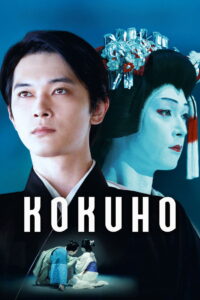
Synopsis
Honarmand Review – A Thought-Provoking Drama About Art, Ambition, and the Human Spirit
Film Honarmand – Doble Farsi فیلم هنرمند دوبله فارسی – FarsiNama
Alongside Shunsuke, the actor’s only son, he decides to dedicate himself to this traditional form of theatre. For decades, the two young men grow and evolve together – and one will become the greatest Japanese master of the art.
Honarmand Review (2026): An emotional and thought-provoking drama exploring the complicated relationship between artistic ambition, personal sacrifice, and the search for identity. With its compelling characters, atmospheric cinematography, and powerful emotional themes, Honarmand offers a meaningful viewing experience for fans of character-driven television dramas.
Introduction
Some television series entertain audiences with thrilling stories, while others leave a lasting impression by exploring the deeper meaning of life, relationships, and human ambition. Honarmand belongs to the latter category. Blending emotional storytelling with an intimate exploration of the artistic world, this drama examines what it truly means to pursue a dream when the price of success becomes increasingly difficult to bear.
The title itself suggests a connection to creativity, artistic expression, and the people who dedicate their lives to their craft. However, the story goes beyond the traditional portrayal of artists struggling to achieve recognition. It explores the emotional conflicts, personal sacrifices, and difficult decisions that shape their lives.
For viewers who appreciate thoughtful storytelling, realistic characters, and emotionally engaging narratives, Honarmand presents an interesting dramatic experience. Its central themes are particularly relevant to audiences who enjoy stories about ambition, family, relationships, and the challenges of following an unconventional path.
Fans of emotionally rich storytelling can also discover more compelling titles in our Drama Movies and Series collection.
Story and Plot Overview
At the heart of Honarmand is a compelling exploration of individuals attempting to reconcile their personal ambitions with the expectations of the people around them.
The narrative revolves around an artist whose creative aspirations gradually become a source of conflict within their personal life. What initially appears to be a straightforward pursuit of artistic recognition develops into a much deeper examination of identity, responsibility, and the sacrifices required to remain faithful to one’s beliefs.
As the story progresses, the characters encounter situations that challenge their understanding of success. Relationships become complicated, personal secrets begin to surface, and the boundaries between ambition and obsession become increasingly difficult to recognize.
One of the most interesting aspects of the story is its emotional complexity. Rather than presenting a simple conflict between good and evil, the narrative explores the motivations behind the characters’ decisions. Their actions are shaped by fear, love, insecurity, ambition, and the desire to be understood.
This approach gives the story a more realistic atmosphere. The characters are not simply moving through a series of dramatic events; they are gradually discovering uncomfortable truths about themselves.
The dramatic tension develops naturally, allowing viewers to become emotionally invested in the characters and their individual journeys.
Direction and Storytelling
The strength of a character-driven drama often depends on its ability to maintain emotional intensity without relying excessively on dramatic twists. Honarmand is built around this principle.
Its storytelling emphasizes character development, meaningful dialogue, and carefully constructed emotional moments. Instead of rushing through important developments, the narrative allows conflicts to unfold gradually.
This slower approach can be particularly rewarding for viewers who appreciate sophisticated television dramas. Every significant decision has consequences, and the emotional impact of those consequences becomes an essential part of the story.
The dramatic structure also creates opportunities to explore different perspectives. Characters who initially appear difficult to understand may gradually reveal sympathetic motivations, while seemingly straightforward relationships become more complicated.
The result is a narrative that encourages viewers to think critically about the characters rather than simply judging their actions.
The series’ exploration of artistic identity also provides an interesting foundation for its dramatic conflicts. The tension between personal expression and social expectations creates a compelling emotional framework that remains relevant throughout the story.
Character Development and Performances
Character development is one of the most important elements of an effective drama, and Honarmand places considerable emphasis on the emotional lives of its characters.
The central artist represents the struggle between creative ambition and personal responsibility. Their journey is not simply about achieving professional success, but about discovering whether that success can provide genuine happiness.
The supporting characters contribute significantly to the emotional depth of the narrative. Family members, friends, and professional relationships introduce different perspectives on ambition and personal fulfillment.
Some characters value stability and security, while others believe that artistic freedom requires a willingness to take risks. These conflicting viewpoints create believable dramatic situations.
The emotional effectiveness of the performances depends on subtle expressions, realistic dialogue, and the ability to communicate feelings without excessive melodrama.
In a story such as Honarmand, restraint can be more powerful than theatrical intensity. A quiet conversation, a moment of hesitation, or an unspoken disappointment can reveal more about a character than an elaborate speech.
This emphasis on emotional authenticity helps create a more intimate viewing experience.
Cinematography and Visual Style
The visual presentation of a drama can significantly influence how audiences experience its story.
Honarmand lends itself naturally to a cinematic visual style that emphasizes atmosphere, composition, and the relationship between characters and their surroundings.
The artistic environment provides opportunities for meaningful visual storytelling. Studios, creative spaces, personal belongings, and everyday locations can reflect the emotional condition of the characters.
A carefully considered color palette can reinforce the contrast between moments of hope and periods of uncertainty. Warmer tones may suggest intimacy and emotional connection, while cooler compositions can emphasize isolation and personal conflict.
The use of natural lighting and restrained camera movements can also contribute to a sense of realism.
Rather than distracting viewers with unnecessary visual effects, the cinematography benefits from focusing on the characters and the environments in which their stories unfold.
This approach is particularly effective for an intimate drama because it allows the emotional narrative to remain at the center of the viewing experience.
Music and Sound Design
Music plays an important role in establishing the emotional atmosphere of a television drama.
In Honarmand, the relationship between sound and storytelling is particularly interesting because the central themes are closely connected to artistic expression.
A restrained soundtrack can help communicate feelings that the characters struggle to express through dialogue. Carefully selected musical moments can strengthen emotional scenes without overwhelming them.
Sound design also contributes to the realism of the story. The subtle sounds of creative environments, everyday conversations, and familiar surroundings can make the fictional world feel more authentic.
The most effective dramatic soundtracks understand when to remain quiet. Silence can communicate uncertainty, disappointment, emotional distance, or a moment of personal realization.
When these elements are used thoughtfully, they help create a more immersive experience.
Themes and Deeper Meaning
Beyond its dramatic narrative, Honarmand explores several important themes that give the story a broader emotional significance.
The Price of Artistic Ambition
One of the central themes is the relationship between ambition and sacrifice.
Pursuing a creative career often requires patience, persistence, and a willingness to accept uncertainty. However, the story also raises an important question: when does dedication become an obstacle to personal happiness?
The characters must confront the consequences of placing their ambitions above their relationships and emotional well-being.
Identity and Self-Discovery
Artistic expression is often closely connected to personal identity.
The story explores how individuals define themselves through their work and how difficult it can become to separate personal worth from professional recognition.
This theme resonates with anyone who has struggled to balance their ambitions with the expectations of family, society, or professional life.
Relationships and Emotional Sacrifice
The pursuit of personal dreams can place considerable pressure on relationships.
Honarmand examines how misunderstandings, competing priorities, and unspoken expectations can gradually create emotional distance.
The narrative suggests that genuine success requires more than professional achievement. Understanding, communication, and emotional connection are equally important.
The Meaning of Success
Perhaps the most compelling question raised by the story is whether success should be measured through recognition or personal fulfillment.
The characters discover that achieving a long-awaited goal does not necessarily resolve their emotional conflicts.
This philosophical dimension gives the drama a more meaningful foundation and encourages viewers to reflect on their own definitions of success.
Who Should Watch Honarmand?
Honarmand is particularly appealing to viewers who enjoy thoughtful television dramas with strong emotional themes.
It may be an interesting choice for audiences who appreciate:
- Character-driven drama and realistic emotional conflicts.
- Stories about artistic ambition and personal identity.
- Meaningful relationships and family dynamics.
- Cinematic storytelling and atmospheric visual presentation.
- Thought-provoking narratives that explore the human experience.
Viewers looking for nonstop action or a fast-paced crime thriller may prefer a different genre. However, audiences who enjoy emotionally rich stories and complex characters are likely to appreciate the dramatic qualities of Honarmand.
For additional information about film and television titles, cast information, and entertainment-related resources, visit IMDb.
Final Verdict
Honarmand represents the kind of drama that places emotional depth and meaningful storytelling above spectacle.
Its exploration of artistic ambition, personal sacrifice, identity, and relationships provides a compelling foundation for a thoughtful television experience. The narrative’s emphasis on character development allows its central conflicts to feel personal and emotionally relevant.
The combination of dramatic storytelling, visual atmosphere, and universal themes makes Honarmand an appealing choice for viewers who appreciate sophisticated drama series.
Ultimately, the story’s greatest strength lies in its exploration of a question that resonates far beyond the artistic world: how much should a person sacrifice to become the individual they have always dreamed of being?
For fans of meaningful drama, Honarmand offers an opportunity to reflect on ambition, identity, and the complicated nature of human relationships.
Final Rating: 9.0/10
If you enjoy emotionally engaging dramas and thought-provoking television stories, explore more titles in our Drama collection on FarsiNama and discover your next favorite series.
SEO Details for Rank Math
- Focus Keyword: Honarmand Review
- SEO Title: Honarmand Review (2026) – Story, Drama & Final Verdict
- Meta Description: Read our Honarmand review exploring its dramatic story, artistic themes, character development, cinematography, and emotional depth. Discover our final verdict.
- URL Slug: honarmand-review
- Secondary Keywords: Honarmand series review, Honarmand drama, Honarmand story, television drama review, emotional drama series, artistic drama
- Article Category: Drama
- Suggested Schema Type: Article
Director

Cast