Video Sources 7476 Views Report Error
Synopsis
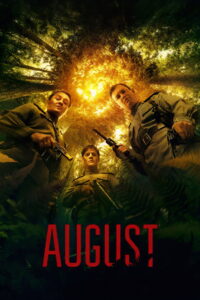
Mahe Agust (2024) – A Haunting War Drama That Blends Human Emotion With Brutal Reality
Film Mahe Agust – Doble Farsi فیلم ماه آگوست دوبله فارسی – FarsiNama
The history of the military operation
In recent years, war dramas have evolved far beyond battlefield explosions and heroic speeches. Modern audiences now seek emotionally layered stories that explore the psychological cost of conflict, and Mahe Agust delivers exactly that. Directed by acclaimed filmmaker Daniel Verhoeven, this 2024 war-drama film combines stunning cinematography, emotionally charged performances, and a deeply human narrative that stays with viewers long after the credits roll.
Set against the backdrop of political unrest and military conflict, Mahe Agust stands out as one of the most compelling international war films of the year. With a gripping screenplay and unforgettable characters, the movie successfully captures both the chaos of war and the quiet pain of survival.
Movie Information
- Title: Mahe Agust
- Release Year: 2024
- Director: Daniel Verhoeven
- Genre: War, Drama, Psychological Thriller
- Main Cast:
- Elias Moreau as Adrian Keller
- Sofia Lindgren as Mira Voss
- Tomas Richter as General Havel
- Lina Kovac as Elina
- Runtime: 2h 11min
For official ratings and audience reviews, you can also visit the film’s page on IMDb.
A Story Rooted in Human Suffering and Survival
At its core, Mahe Agust is not simply a war movie—it is a story about memory, trauma, and the fragile nature of hope. The plot follows Adrian Keller, a former military medic struggling to survive in a devastated region torn apart by civil war. Haunted by his past decisions and the lives he could not save, Adrian embarks on a dangerous mission to rescue a group of displaced civilians trapped behind enemy lines.
What makes the story particularly effective is its refusal to glorify violence. Instead of relying on exaggerated heroism, the screenplay focuses on moral ambiguity and emotional realism. Every choice carries consequences, and every character feels grounded in reality.
The pacing may feel slow during the opening act, but this deliberate structure allows the audience to connect deeply with the emotional weight of the story. As tensions rise, the narrative becomes increasingly intense, leading to a final act that is both heartbreaking and unforgettable.
Direction and Screenplay
Daniel Verhoeven demonstrates remarkable restraint and maturity behind the camera. Rather than overwhelming viewers with nonstop combat scenes, he carefully builds atmosphere through silence, visual symbolism, and intimate character moments.
The screenplay excels in portraying the psychological effects of war. Conversations often feel raw and authentic, avoiding the clichés commonly found in mainstream military dramas. The film also raises difficult questions about loyalty, guilt, and the blurred line between humanity and survival.
One of the strongest aspects of the direction is the film’s emotional realism. Characters are not presented as perfect heroes or villains. Instead, they exist in morally gray territory, making their journeys feel far more believable and impactful.
Outstanding Performances From the Cast
Elias Moreau delivers a career-defining performance as Adrian Keller. His portrayal of emotional exhaustion and internal conflict feels deeply genuine. Through subtle facial expressions and restrained dialogue, Moreau captures the silent pain of a man broken by war.
Sofia Lindgren is equally impressive as Mira Voss, a journalist documenting the humanitarian crisis while confronting her own emotional scars. Her chemistry with Moreau adds emotional depth without overshadowing the main narrative.
Supporting performances from Tomas Richter and Lina Kovac further strengthen the film. Each actor contributes to the authenticity of the world, making even smaller scenes emotionally resonant.
The ensemble cast succeeds because every character feels human. Their fears, regrets, and moments of compassion create an emotional connection rarely achieved in modern war cinema.
Cinematography and Visual Atmosphere
Visually, Mahe Agust is stunning. Cinematographer Viktor Hale uses cold color palettes, natural lighting, and wide landscape shots to create a bleak yet mesmerizing atmosphere. The destroyed cities and abandoned villages feel hauntingly realistic, immersing viewers in the film’s world.
Several scenes are shot with handheld cameras, giving the movie a documentary-like realism that intensifies emotional engagement. Explosions and action sequences are used sparingly, making them feel more shocking and impactful when they occur.
The film’s visual storytelling is particularly effective during quieter moments. A single shot of a burned photograph or an empty hallway often communicates more emotion than pages of dialogue could achieve.
Combined with an atmospheric musical score composed by Helena Strauss, the cinematography elevates Mahe Agust into a truly cinematic experience.
Themes That Resonate Beyond the Screen
Beyond its war setting, Mahe Agust explores universal themes that resonate with global audiences. Trauma, displacement, guilt, and the search for redemption are woven naturally throughout the narrative.
The movie also comments on media manipulation and the human cost of political decisions. Rather than taking a simplistic political stance, the film focuses on individual suffering and emotional truth.
This thematic depth is one reason why Mahe Agust has generated strong online discussion among film enthusiasts and critics alike. Viewers looking for intelligent, emotionally driven cinema will likely find the film both thought-provoking and emotionally devastating.
Final Verdict
Mahe Agust is a powerful and emotionally layered war drama that prioritizes humanity over spectacle. While it may not appeal to audiences seeking fast-paced blockbuster action, it excels as a character-driven exploration of survival, trauma, and moral conflict.
With exceptional performances, masterful cinematography, and mature storytelling, the film deserves recognition as one of the standout war dramas of 2024. Daniel Verhoeven has crafted a movie that feels intimate, haunting, and painfully relevant in today’s world.
Rating: 8.7/10
If you enjoy emotionally rich war stories with meaningful character development, Mahe Agust is absolutely worth watching. You can also discover more compelling titles in the war genre collection and browse additional drama films and series for your next movie night.
Director

Cast