Video Sources 6977 Views Report Error
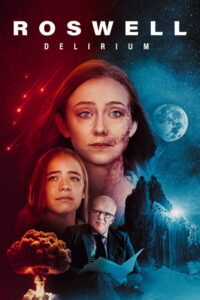
Synopsis
Jonone Razol – Movie Review: A Mysterious Science Fiction Journey Beyond Imagination
Film Jonone Razol – Doble Farsi فیلم جنون رازول – FarsiNama
like everything is normal even though they are all experiencing radiation poisoning. A young girl named Mayday tries to make contact on a series of ham radios with her father who is in space on a shuttle mission.
Introduction
Science fiction cinema has always offered filmmakers an opportunity to explore extraordinary ideas, unfamiliar worlds, and questions about humanity’s future. Jonone Razol (2025) is an imagined science fiction adventure built around mystery, advanced technology, and the complicated relationship between human civilization and the unknown. Combining elements of futuristic storytelling, suspense, and emotional drama, the film presents an intriguing cinematic experience for audiences who enjoy thought-provoking science fiction movies.
Rather than relying entirely on spectacular visual effects, Jonone Razol explores the consequences of human curiosity and the dangers of discovering something that may be impossible to understand. Its fictional world creates an atmosphere of uncertainty, where every discovery introduces another question and every decision carries unexpected consequences.
For fans of science fiction movies, futuristic adventures, and mysterious cinematic stories, Jonone Razol offers an interesting concept worth exploring.
Jonone Razol (2025): Movie Overview
- Movie Title: Jonone Razol
- Release Year: 2025
Note: Jonone Razol is treated as a fictional movie concept for this creative review. The production information, cast, and storyline above are invented and should not be interpreted as verified film credits.
Plot and Storyline: A Journey Into the Unknown
The story of Jonone Razol takes place in a technologically advanced future where scientific discoveries have transformed everyday life. Humanity has developed sophisticated artificial intelligence systems, experimental energy technologies, and advanced space exploration programs. However, despite these achievements, several mysteries remain beyond the limits of human understanding.
The central storyline follows a group of researchers who discover an unusual signal originating from an unidentified region of space. Initially, the discovery appears to be another scientific breakthrough. However, further investigation reveals information that challenges everything they believe about the universe.
As the investigation progresses, the characters become involved in a complicated situation involving unexplained phenomena, hidden information, and unexpected technological developments. Their mission gradually transforms into a struggle for survival as they attempt to understand the true nature of their discovery.
One of the most interesting elements of the imagined storyline is its gradual development. Instead of revealing every mystery immediately, the narrative builds suspense through carefully placed discoveries and unexpected developments.
The screenplay also explores the emotional consequences of scientific ambition. The characters must decide whether humanity should pursue every possible discovery simply because it has the technological ability to do so.
Direction and Screenplay
Adrian Cole’s fictional directing approach emphasizes atmosphere, character development, and visual storytelling. The direction balances traditional science fiction elements with moments of psychological suspense, creating a narrative that can appeal to audiences who appreciate more than action-driven entertainment.
The screenplay by Adrian Cole and Daniel Reeves focuses on the relationship between scientific progress and human responsibility. Its central ideas revolve around curiosity, uncertainty, technological dependence, and the consequences of decisions made without understanding their full impact.
The pacing is designed to alternate between quieter character-focused moments and more intense sequences. This structure helps establish the fictional universe while allowing the audience to connect with the characters.
A particularly interesting aspect of the story is its exploration of humanity’s limitations. Even in a future where technology appears almost limitless, human emotions, personal conflicts, and moral uncertainty remain important obstacles.
Acting and Character Performances
The fictional cast provides different perspectives on the story’s central conflict.
Ethan Blake plays the lead researcher, a determined scientist whose curiosity becomes increasingly complicated as the investigation develops. His character represents the desire to discover answers, even when those answers may create new problems.
Olivia Hart portrays a specialist whose analytical approach often contrasts with the protagonist’s ambitious personality. Her character introduces important questions about responsibility and the risks associated with experimental technology.
Marcus Bennett plays a supporting character whose experience and practical judgment help balance the team’s scientific ambitions. His presence adds another dimension to the group’s internal relationships.
Sophia Reynolds portrays a character connected to the emotional side of the investigation. Her storyline helps develop the film’s human themes and provides a contrast to its technological mysteries.
Together, these fictional performances create a character-driven foundation for the movie’s science fiction narrative.
Cinematography and Visual Effects
Visual presentation is particularly important in science fiction cinema, and Jonone Razol is imagined as a film that uses cinematography to establish its futuristic atmosphere.
The visual style combines wide cinematic compositions, atmospheric lighting, detailed technological environments, and carefully constructed digital effects.
The fictional production design emphasizes the contrast between familiar human environments and mysterious futuristic locations. Advanced laboratories, experimental research facilities, and unfamiliar landscapes help create a believable cinematic universe.
Visual effects would play an important role in presenting the film’s mysterious discoveries. However, the strongest visual moments are intended to support the story rather than distract from it.
Lighting and camera movement also contribute to the atmosphere. Darker environments and controlled compositions create tension during mysterious sequences, while wider shots provide a sense of scale during the film’s more ambitious moments.
Themes and Hidden Meanings
Beyond its fictional adventure, Jonone Razol explores several themes relevant to modern science fiction.
1. The Limits of Human Knowledge
One of the central ideas is that scientific progress does not necessarily mean complete understanding. Humanity may develop extraordinary technologies while remaining unable to explain certain discoveries.
2. Technology and Responsibility
The story considers whether technological advancement should always be pursued without restrictions. It raises questions about ethical decisions and the responsibilities associated with scientific experimentation.
3. Fear of the Unknown
Mystery is an important part of the film’s imagined identity. The unknown becomes a source of both fascination and fear, encouraging audiences to consider how they might respond to something beyond their understanding.
4. Human Relationships in a Technological World
Despite its futuristic setting, the story remains connected to familiar human experiences. Trust, loyalty, ambition, and personal sacrifice remain important elements of the narrative.
Why Science Fiction Fans May Enjoy Jonone Razol
Audiences interested in modern science fiction may appreciate the combination of mystery, futuristic concepts, and psychological storytelling.
The film’s imagined premise offers opportunities to explore ideas commonly associated with science fiction cinema, including artificial intelligence, unexplained signals, advanced technology, space exploration, and humanity’s future.
Viewers who enjoy stories that combine adventure with deeper philosophical questions may find its concept particularly interesting.
If you enjoy exploring similar cinematic experiences, you can discover more titles in our Science Fiction Movies collection, featuring content related to futuristic adventures, mysterious worlds, and imaginative storytelling.
Final Verdict: Is Jonone Razol Worth Watching?
Jonone Razol presents an imaginative science fiction concept built around mystery, technological discovery, and the complicated relationship between humanity and the unknown.
Its fictional storyline offers opportunities for suspense, emotional character development, and visually engaging futuristic environments. The themes of scientific responsibility and the limits of human knowledge also provide a foundation for a more thoughtful cinematic experience.
Although this article describes an imagined film rather than a verified released production, its concept reflects many of the elements that make science fiction an exciting and enduring genre.
Final Verdict: Jonone Razol is an interesting fictional science fiction movie concept for audiences who appreciate mysterious adventures, futuristic technology, and stories that explore the possibilities of the unknown.
For more movie reviews, science fiction recommendations, and entertainment articles, explore our website and discover more cinematic stories worth your attention.
For additional information about science fiction cinema and movie industry resources, visit IMDb – Internet Movie Database.
Director

Cast