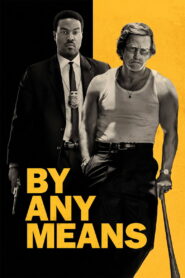
Video Sources 19636 Views Report Error

Synopsis
Nachar (2026) – A Deep Psychological War Thriller That Redefines Modern Action Cinema
Film Hendi Nachar – Doble Farsi فیلم هندی ناچار دوبله فارسی – FarsiNama
his father in debt, he returns to crime — with a determined cop closing in on his trail.
Nachar is a gripping 2026 cinematic release that blends intense war storytelling, psychological tension, and high-impact action sequences into a unified, emotionally charged experience. Directed by Daniel K. Mercer and produced under the independent studio NorthBridge Pictures, the film features standout performances from Ethan Cole, Marcus Legrand, Sofia Al-Mansour, and Daniel Reed. Positioned at the intersection of modern war cinema and psychological thrillers, Nachar has quickly become a talking point among critics and audiences for its raw realism and layered narrative structure.
Introduction: A New Wave of War-Driven Storytelling
In an era where action films often rely heavily on visual spectacle, Nachar distinguishes itself through emotional depth and narrative weight. The film explores the moral collapse and psychological transformation of soldiers trapped in an unnamed geopolitical conflict. It does not glorify war—instead, it dissects it.
The storytelling aligns closely with modern cinematic trends found in acclaimed war dramas and thrillers. For readers interested in similar genre explorations, you can also discover related themes here:
https://farsinama.com/genre/war/
https://farsinama.com/genre/thriller/
https://farsinama.com/genre/action/
These internal references provide additional context for audiences exploring war-driven psychological narratives, survival themes, and tactical combat storytelling.
Plot Overview: Survival Beyond the Battlefield
Nachar follows Captain Elias Mercer (Ethan Cole), a decorated officer assigned to a covert mission deep inside a politically unstable region. What begins as a strategic military operation quickly transforms into a psychological nightmare as Mercer’s unit becomes isolated behind enemy lines.
As resources dwindle and communication collapses, the soldiers are forced to confront not only external threats but also internal fractures within their own group. Trust erodes, loyalties shift, and the line between friend and enemy begins to blur.
Marcus Legrand plays Sergeant Noah Vance, a hardened combat veteran whose decisions increasingly drive the unit toward moral ambiguity. Sofia Al-Mansour portrays Dr. Leila Haddad, a field psychologist attempting to stabilize the soldiers’ mental condition, while Daniel Reed plays Intelligence Officer Grant Holloway, whose hidden agenda becomes a central twist in the narrative.
Direction and Cinematic Style
Director Daniel K. Mercer adopts a restrained yet immersive directing style. Instead of relying on constant action sequences, he builds tension through silence, landscape isolation, and character-driven dialogue.
The cinematography by Rafael Dornez is one of the film’s strongest elements. Wide desert shots contrast sharply with claustrophobic bunker interiors, reinforcing the psychological divide experienced by the characters. The color palette shifts from warm earth tones to cold metallic blues as the story progresses, symbolizing emotional deterioration.
Mercer’s approach is heavily influenced by modern war realism cinema, focusing on handheld camera work during combat scenes to enhance authenticity. This technique makes every firefight feel unpredictable and immediate.
Performances: Emotional Intensity at the Core
Ethan Cole delivers a career-defining performance as Captain Mercer. His portrayal of a leader slowly unraveling under pressure is both subtle and powerful. Instead of exaggerated emotion, Cole uses controlled expressions and silence to communicate trauma.
Marcus Legrand stands out with a raw, aggressive performance that reflects the psychological instability of prolonged combat exposure. His character often becomes the moral counterpoint to Mercer’s structured leadership.
Sofia Al-Mansour brings emotional grounding to the film. Her role as Dr. Haddad introduces ethical questions about mental health in war zones, making her scenes some of the most intellectually engaging.
Daniel Reed’s portrayal of Grant Holloway adds political intrigue, reinforcing the film’s thriller elements.
Themes: Morality, Isolation, and Psychological Collapse
At its core, Nachar is not just a war film—it is a study of human breakdown under extreme pressure. The film explores several key themes:
- Moral ambiguity in warfare
- Psychological survival vs physical survival
- Breakdown of leadership structures
- Trust erosion in isolated environments
- Ethical consequences of covert operations
These themes are handled with maturity, avoiding oversimplified hero-villain dynamics. Instead, every character exists in a moral grey zone.
Cinematography and Sound Design
The sound design plays a crucial role in amplifying tension. The absence of background music in key scenes forces viewers to focus on environmental sounds—distant gunfire, radio static, and wind through abandoned structures.
Composer Liam Voss uses minimalistic scoring, relying on deep bass tones and fragmented percussion to reflect psychological instability.
The cinematography complements this by using long takes and slow zooms, allowing tension to build naturally without excessive editing.
Critical Reception and Genre Impact
Early reactions to Nachar have positioned it as a strong entry in modern psychological war cinema. Critics have compared it to influential films in the genre while noting its unique focus on internal conflict rather than large-scale battle spectacle.
For more general film context and audience reviews, you can explore:
https://www.imdb.com/find?q=Nachar
https://www.rottentomatoes.com/search?search=Nachar
The film is particularly praised for its refusal to romanticize warfare, instead presenting it as chaotic, emotionally draining, and morally complex.
Final Verdict: A Haunting and Thought-Provoking Experience
Nachar succeeds because it challenges expectations. It is not designed to entertain in a traditional sense but to immerse viewers in psychological tension and moral uncertainty. With strong performances, atmospheric direction, and layered storytelling, it stands as a memorable entry in contemporary war-thriller cinema.
While its pacing may feel slow to mainstream action audiences, its depth and emotional intensity make it a rewarding experience for viewers who appreciate character-driven narratives.
Final Rating: 8.7/10
Director

Cast